Global Relocation Services for Employees
Extensive Immigration Services for Streamlined International Relocation: Your Guide to a Stress-Free Move
Complete immigration services serve as an essential resource for people planning an international relocation. They streamline the often complex realm of visas and legal requirements. With personalized guidance, these services streamline the process and minimize the chances of delays. Furthermore, the support continues upon arrival. Understanding the full scope of these services can greatly impact a newcomer's experience. What essential aspects should one consider for a truly smooth transition?
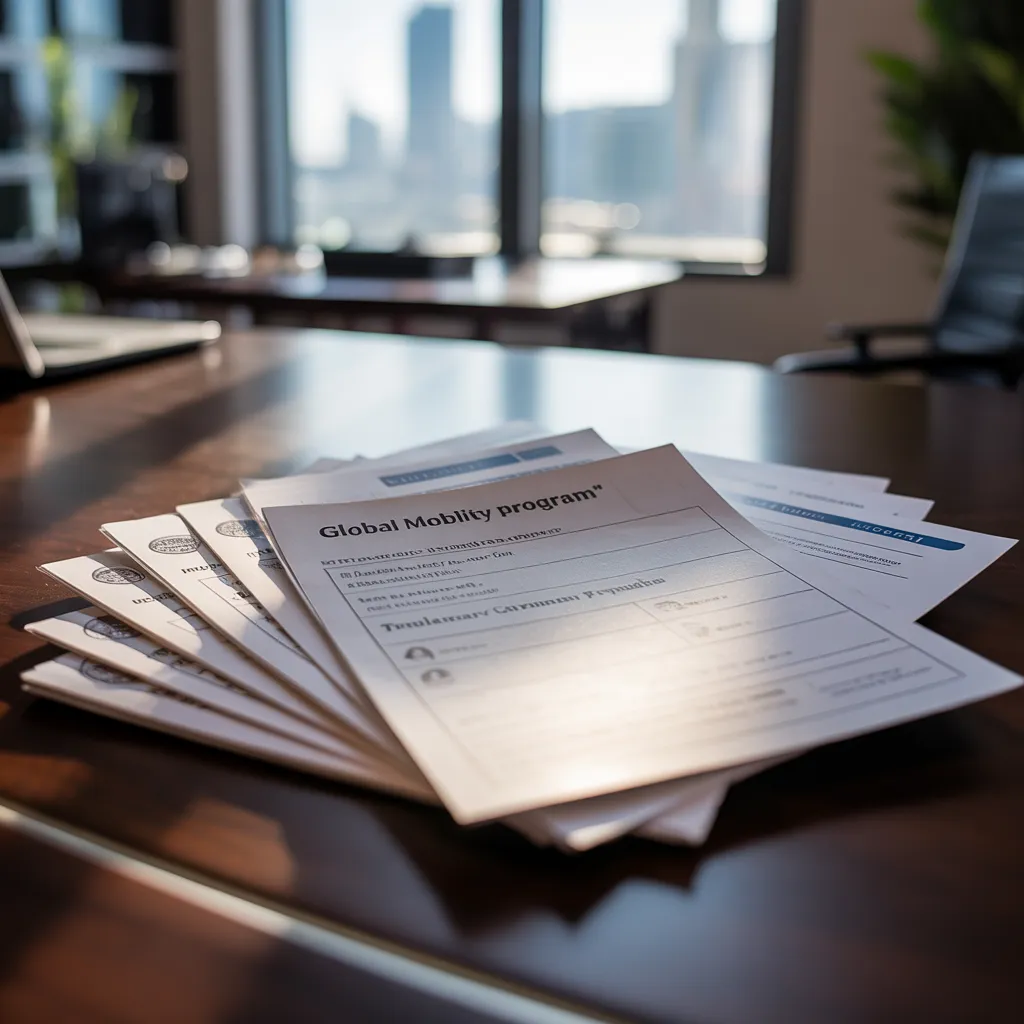
Understanding Types of Visas and Requirements
What's the best way to understand the intricate world of visa categories and prerequisites? Knowing the multiple visa categories is fundamental for anyone considering international relocation. Each destination presents distinct visa types designed for specific circumstances, such as employment, education, family reunion, or travel. For example, a copyright typically demands a job offer from an employer located in the destination country, while student visas often require enrollment in an recognized educational establishment.
In addition, eligibility conditions can differ significantly; some visas may demand comprehensive documentation, including health checks or proof of fiscal stability. It is important to acquaint yourself with the specific requirements of the target country, as well as any appropriate quotas or constraints. Exploring government portals, seeking advice from immigration consultants, or participating in community forums can deliver beneficial insights. Eventually, extensive preparation and understanding of visa types are essential for a smooth relocation experience.
Guiding Through the Application Procedure
Navigating the application process for visas can often feel daunting, especially after grasping the various visa types and their specific requirements. Applicants must first identify which visa best suits their needs, as each type has particular criteria and procedures. It is important to carefully examine the guidelines offered by immigration authorities, as these instructions provide the framework for a successful application.
When the appropriate visa is selected, individuals should get ready to fill out the required forms correctly. Inaccurate or incomplete submissions can lead to delays or denials. In addition, applicants should know about processing times, which can differ significantly based on the visa category and the candidate's nationality.
Keeping organized while maintaining a checklist of required steps can ease the process. Obtaining assistance from immigration specialists or services can also offer valuable guidance, making certain that applicants navigate the complexities of the application process more successfully.
Critical Documents for Immigration
A crucial element of the immigration process is the preparation of needed documentation. Those planning to relocate internationally must collect and provide several key documents to facilitate a smooth shift. Typically required are a valid copyright, visa applications, and photographs satisfying specific criteria. Moreover, proof of financial standing, such as bank statements or employment letters, may be required to demonstrate the ability to support oneself in the new country.
Educational credentials, like diplomas and transcripts, frequently require translated and certified. Health records, including vaccination certificates, could also related article be needed, specifically for certain destinations. Furthermore, some applicants are required to provide background checks or police clearance certificates to establish their legal standing. Carefully organizing and verifying these documents is essential, as any errors or missing items can lead to delays or complications in the immigration process, underscoring the importance of careful preparation.
Legal Support and Representation
Navigating the complex nature of immigration law can be difficult, making attorney representation crucial for people seeking to relocate internationally. Qualified immigration attorneys offer critical assistance, confirming that clients navigate the intricate legal landscape competently. They aid in understanding various visa options, residency regulations, and the complexities of local rules, which can vary greatly from one country to another.
Legal experts also serve a crucial function in completing and submitting applications, making certain that all required documents is thorough and precise. This minimizes the likelihood of denials or postponements, which can impede the relocation journey. Additionally, legal guidance is crucial during interviews or hearings, where professional representation can significantly affect outcomes. By employing a qualified attorney, clients can boost their chances of a successful move, enabling them to focus on additional facets of relocation while having certainty regarding their legal status.
Support and Resources After Arrival
Following the securing of the essential legal representation and navigating the complications of immigration law, those relocating to another country must shift focus to the next stage of their journey: post-arrival support and resources. This step is important for a seamless adjustment into a new country.
Having access to local networks, community organizations, and expatriate groups can deliver vital information and connections. Language classes are commonly available to support newcomers enhance communication skills, while orientation programs can familiarize them with local customs and regulations.
Moreover, understanding access to healthcare, banking systems, and housing options is critical. Several cities present resources adapted to new residents, featuring workshops and information sessions.
In conclusion, participating in local cultural programs and events can enhance social integration and offer a sense of belonging. By deliberately pursuing these resources, individuals can establish a groundwork for a rewarding and prosperous life in their new surroundings.
Common Questions
How Long Does the Immigration Process Typically Take?
The immigration process typically takes anywhere from several months to years, contingent upon various factors including the visa type, country of origin, and unique circumstances. Delays may arise as a result of review periods and required documentation.
Can I Bring My Pet During Relocation?
Companion animals can typically join owners during relocations, however specific requirements vary by destination country. It's crucial to research destination requirements, including vaccinations, health certificates, and quarantine protocols to guarantee a smooth changeover for both pet and owner.
What Costs Are Involved With Immigration Services?
The costs associated with immigration services can range considerably, typically ranging from application fees, legal consultations, and document preparation to additional expenses for background checks and translation services, depending on the particular immigration requirements and options chosen.
What Language Requirements Apply to Relocation?
Language prerequisites for relocation often depend on the destination country and the individual's visa type. Some jurisdictions mandate proficiency in the local language, while others may only need basic communication skills for specific visa categories.
Where Can I Find Cultural Integration Resources in the Host Country?
To find cultural integration resources in a new country, you can explore civic centers, local libraries, online forums, and social media groups. Furthermore, universities often supply cultural exchange programs and workshops for newcomers seeking integration support.